

How to Repair a Damaged Skin Barrier After Over-Exfoliating
-
 admin
admin - Posted on
- 0 comments


How to Repair a Damaged Skin Barrier After Over-Exfoliating Modern skincare routines have become increasingly complex. Between exfoliating acids, retinoids, peeling toners, resurfacing masks, and viral social media routines, many people unintentionally push their skin beyond what it can tolerate. The result is a damaged skin barrier.
This issue is especially common in places like Dubai and across the UAE. Strong sun exposure, heat, humidity outdoors, and heavy air conditioning indoors constantly challenge the skin. When exfoliating products are added too aggressively into that environment, the protective barrier of the skin can quickly become compromised.
A damaged barrier does not simply mean mild irritation. It can lead to persistent redness, burning sensations, unexpected breakouts, dryness, dehydration, and uneven skin tone. Products that previously worked well may suddenly feel uncomfortable or even painful.
The good news is that skin barrier damage is usually reversible. With the right routine, gentle ingredients, and patience, the skin can rebuild its protective layer and return to a healthier state.
This guide explains:
- What the skin barrier actually is
- Why over‑exfoliation damages it
- How to recognize the warning signs
- How to repair the barrier step by step
- The best ingredients for barrier repair
- Recommended products available on Bloomha
- How to prevent barrier damage in the future
If you live in Dubai, Sharjah, Abu Dhabi, or elsewhere in the UAE, this guide will also explain how to adapt barrier‑repair routines for the local climate.
What Is the Skin Barrier?
The skin barrier refers to the outermost layer of the skin known as the stratum corneum. It functions as the body’s first line of defense against environmental stress while preventing excessive water loss.
You can imagine the barrier like a brick wall. Skin cells act as the bricks, while lipids such as ceramides, cholesterol, and fatty acids function like mortar that holds everything together.
When this wall is healthy, it protects the skin from pollution, bacteria, UV damage, and dehydration. The skin appears smooth, balanced, and resilient.
When the barrier becomes damaged, gaps appear in that protective structure. Moisture escapes more easily and irritants penetrate more easily. This is when the skin begins to show signs of stress.
In UAE climates where sunlight is intense and indoor air conditioning is constant, maintaining a strong barrier is essential for keeping skin comfortable and stable.
What Causes Skin Barrier Damage?
Barrier damage rarely happens from a single product. More often it develops from a combination of factors.
1. Over‑exfoliation
The most common cause is using exfoliating acids too frequently. Ingredients such as glycolic acid, salicylic acid, lactic acid, and exfoliating toners remove dead skin cells. Used occasionally they can improve texture and brightness. Used too often they strip protective lipids and weaken the barrier.
2. Layering too many active ingredients
Many routines include vitamin C, exfoliating acids, retinoids, and treatment serums simultaneously. Even when each ingredient is beneficial individually, combining too many actives can overwhelm the skin.
3. Harsh cleansers
Strong foaming cleansers with aggressive surfactants can strip the skin of essential lipids, especially when used multiple times daily.
4. Environmental stress
Sun exposure, pollution, wind, salt, and temperature changes all contribute to barrier stress. These factors are particularly relevant in the UAE.
5. Skipping moisturizer
Moisturizers replenish lipids and hydration that support the barrier. Without them, the skin becomes more vulnerable.
Signs Your Skin Barrier Is Damaged
A damaged skin barrier the outermost layer responsible for protecting against irritants and retaining moisture often presents as persistent dryness, sensitivity, stinging, redness, and unexpected acne. Other signs include rough patches, itching, and a “tight” feeling, often caused by over-exfoliation or harsh products.
Burning or stinging sensations
If basic skincare products suddenly sting or burn, the barrier may be compromised.
Persistent redness
Inflamed skin that stays red for extended periods often indicates irritation.
Shiny but dehydrated skin
Skin may look glossy while still feeling tight or dry underneath.
Increased breakouts
Barrier damage can trigger inflammation that leads to new acne.
Flaking or rough patches
When the barrier is weakened, the skin struggles to retain moisture.
How to Repair a Damaged Skin Barrier
Step 1: Stop All Exfoliating Ingredients
Pause exfoliating acids, scrubs, and retinoids temporarily. This allows the barrier to rebuild without additional irritation.
Step 2: Use a Gentle Cleanser
A mild cleanser removes sweat, sunscreen, and pollution without stripping the skin further.
Step 3: Focus on Hydration
Hydration helps restore the skin’s ability to retain water and maintain flexibility.
Step 4: Support Barrier Lipids
Ingredients such as ceramides, fatty acids, and cholesterol help rebuild the lipid structure of the barrier.
Step 5: Simplify Your Routine
A minimal routine allows the skin to recover faster.
Step 6: Protect with Sunscreen
Sun exposure slows barrier recovery and worsens irritation.
Best Ingredients for Skin Barrier Repair
Ceramides
These lipids help restore the structural integrity of the skin barrier.
Panthenol
Also known as vitamin B5, panthenol supports hydration and soothing.
Centella Asiatica
Centella helps calm inflammation and supports recovery.
Snail Mucin
This ingredient supports hydration and skin repair.
Hyaluronic Acid
A humectant that draws moisture into the skin.
Barrier Repair Products Available on Bloomha
PURITO Wonder Releaf Centella Serum
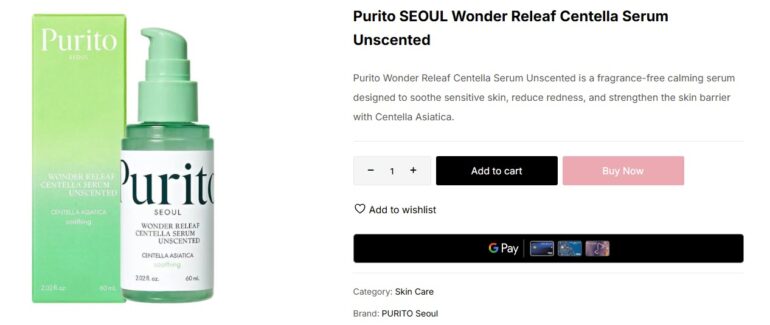
This calming serum focuses on centella asiatica to reduce irritation and help the skin recover after over‑exfoliation.
Seoul 1988 Snail Mucin Essence
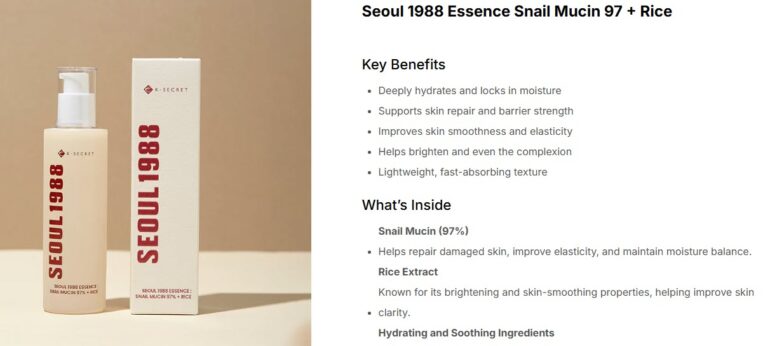
Snail mucin supports hydration and recovery while improving texture.
Beauty of Joseon Glow Serum
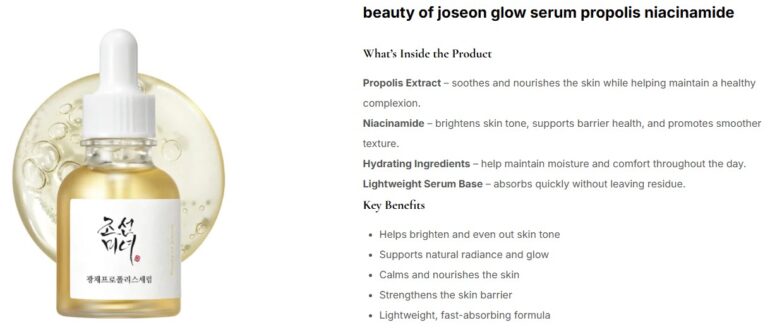
This serum combines soothing propolis with niacinamide to calm irritated skin.
Example Barrier Repair Routine for UAE Climate
Morning
- Gentle cleanser
- Hydrating or calming serum
- Lightweight moisturizer
- Broad spectrum sunscreen
Night
- Cleanser
- Barrier repair serum
- Moisturizer
How Long Does Skin Barrier Recovery Take?
Recovery time depends on the severity of the damage. Mild irritation may improve within one to two weeks. More severe cases can require four to eight weeks of consistent care.
The most important factor is avoiding further irritation while the skin rebuilds.
Preventing Barrier Damage in the Future
- Exfoliate only once or twice weekly
- Avoid layering too many actives
- Always use sunscreen
- Use gentle cleansers
- Keep your routine simple
Final Thoughts
Damaging the skin barrier through over‑exfoliation is surprisingly common, but it is also reversible. By simplifying your routine, focusing on hydration, and protecting your skin from sun exposure, the barrier can gradually recover.
For people living in Dubai and the UAE, choosing lightweight calming products and maintaining daily sun protection can make a significant difference in long‑term skin health.


